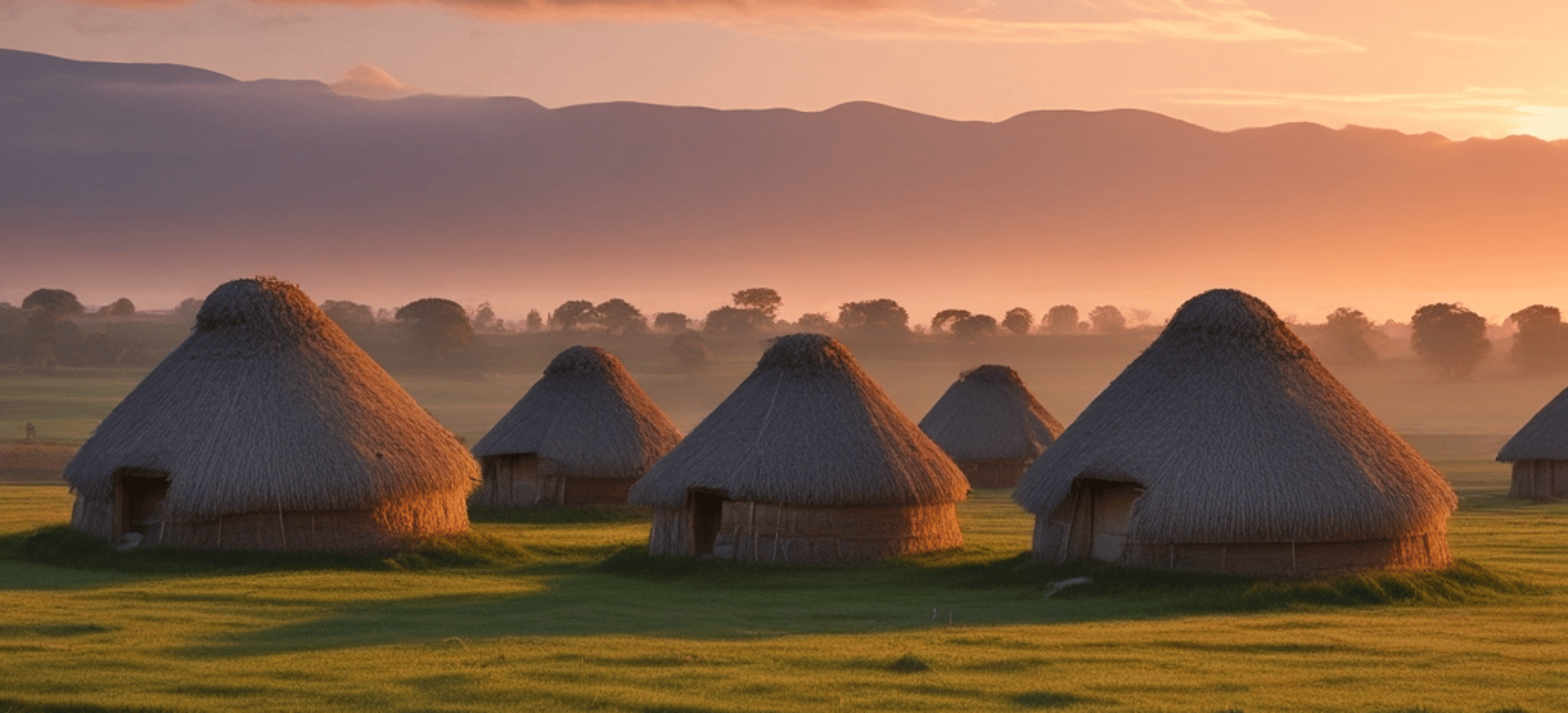
How Romans Saw Druid Culture

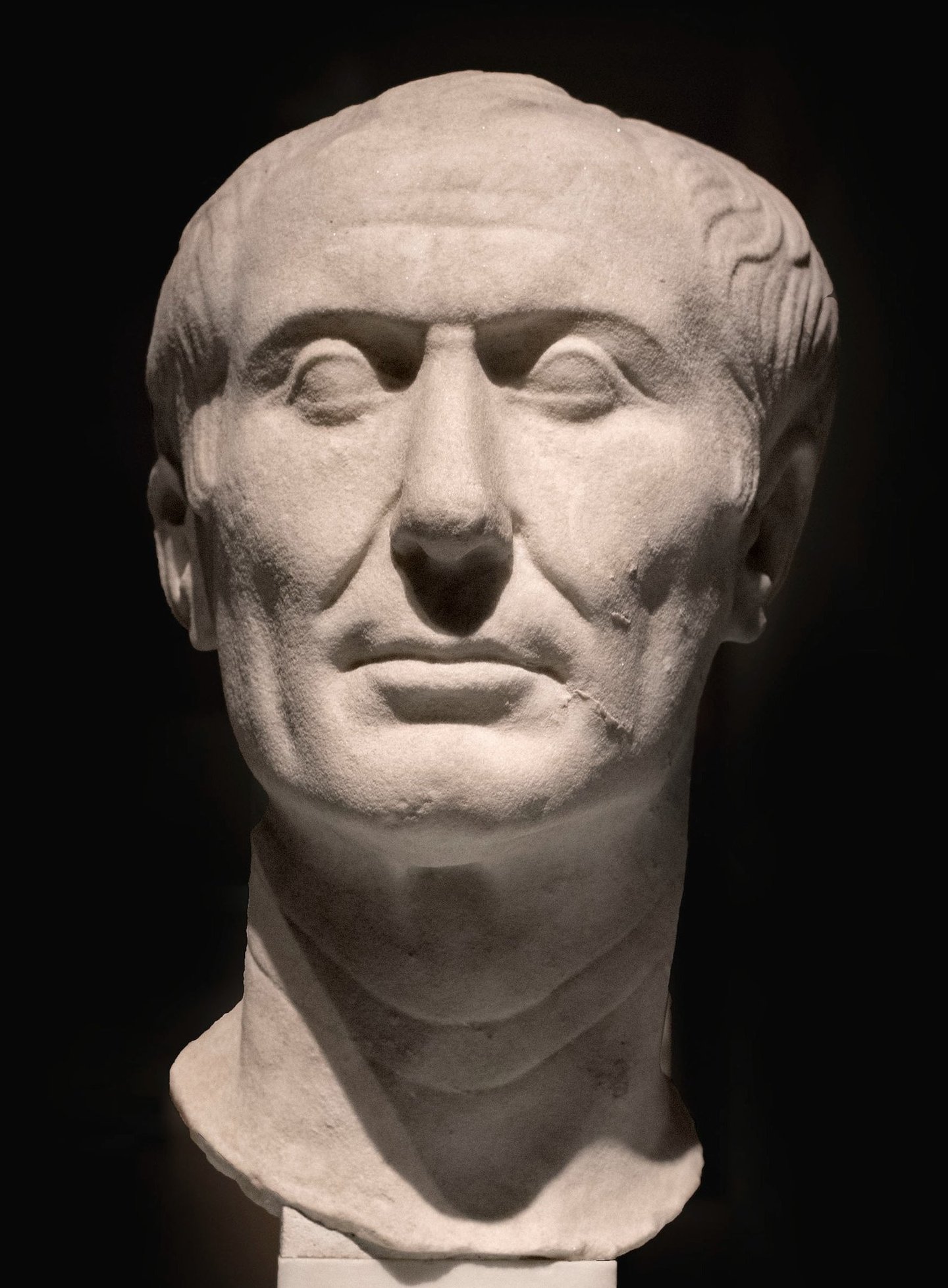
Julius Caesar's War Against the Gauls
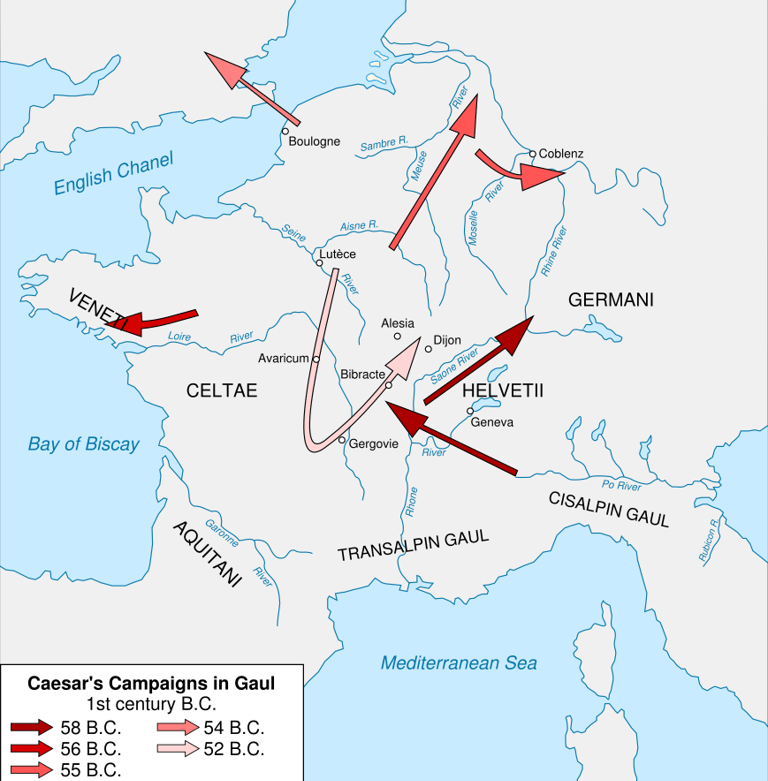
(February 3, 2026) The Gallic Wars were waged between 58 and 50 BC by the Roman general Julius Caesar against the peoples of Gaul. The Wars culminated in the decisive Battle of Alesia in 52 BC, in which resulted in a complete Roman victory and the expansion of the Roman Republic over the whole of Gaul. Caesar's Roman legion movements are shown by the dark red arrows in the above map.
The Romans had a long running off and on conflic with the Gallic (Celtic) tribes. In 390 BC, the Gauls had sacked Rome. In 121 BC Rome conquered southern Gaul and established the province of Transalpine Gaul as a buffer area. Despite this, in 109 BC, the Gauls invaded Italy again but this time Rome was saved by Gaius Marius (uncle and father figure to Julius Caesar) after several bloody and costly battles. After that Rome became involved with the politics of the Celtic tribes hoping to keep them distracted with each other. Around 63 BC, when a Roman Celtic client tribe, the Arverni, conspired with the Gallic Sequani and the Germanic Suebi tribes east of the Rhine to attack another Roman client tribe, the Adeui, Rome kept out of the conflict. The Sequani and the Arverni defeated the Aedui in 63 BC at the Battle of Magetobriga greatly weakening that tribe and making it even more dependent on Rome.
The Aedui were not the only tribe to come under pressure from the east. The Helvetii tribe also came under increased pressure from Germanic tribes to the north and the east and began planning for their own migration and conquest around 61 BCE. They intended to travel across Gaul and conquer the southwest corner of Roman Cisalpine Gaul around the ancient port of Narbo. This required they pass through lands of the Aedui tribe (a defenseless Roman client now). The Romans knew nothing of this plan until shortly before it began.
On March 28 in 58 BC, after 3 years of preparation, the Helvetii began their migration, bringing along all their peoples and livestock. They burned their villages and stores to ensure the migration could not be reversed. Upon reaching Transalpine Gaul they realized their plan had been discovered and that the Romans were preparing for war. Caesar was governor of this regions so they asked permission to cross into the Roman lands. Caesar played for time so Rome could concentrate its legions and ultimately denied their request. With Rome now ready, the Helvetii did not then cross into Romans lands but began to retreat. Caesar attacked them anyway because they were out in the open and vulnerable.
Caesar marched north to the river Saône (tributary of the Rhone) where he atacked the Helvetii while they were crossing it. Caesar then crossed the river in one day using a pontoon bridge. He followed the Helvetii, but chose not to engage in combat, waiting for ideal conditions. The Gauls attempted to negotiate, but Caesar's terms were draconian (likely on purpose). Caesar's supplies ran thin on 20 June, forcing him to travel towards allied territory in Bibracte. While his army had easily crossed the Saône, his supply train still had not. The Helvetii could now outmaneuver the Romans and had time to pick up Boii and Tulingi allies. They used this moment to attack Caesar's rearguard.
In the ensuing Battle of Bibracte, the Gauls and Romans fought for the better part of the day. After a hotly contested battle, the Romans eventually gained victory. Caesar's army rested for three days to tend to the wounded. They then gave chase to the Helvetii, who surrendered. Caesar ordered them back on their lands to provide a buffer between Rome and the even more feared Germanic tribes.
Bibracte was then the commercial hub of the Gallic Aedui tribe. It would again play a crucial role during the Gallic uprising of 52 BC. Its leader, Vercingetorix, met with other Gallic leaders there to plot the rebellion against Caesar and the Romans. This revolt happened because Caesar expanded his war to include all the Gauls, not just the Helvetii tribe and their allies.
References
Julius Caesar. Caesar's Gallic War: Interlinear Translation (1893 first edition). Worldside Press 1952 edition
Map from: https://en.wikipedia.org/wiki/Carnutes
Evidence For Writing Among the North Europeans
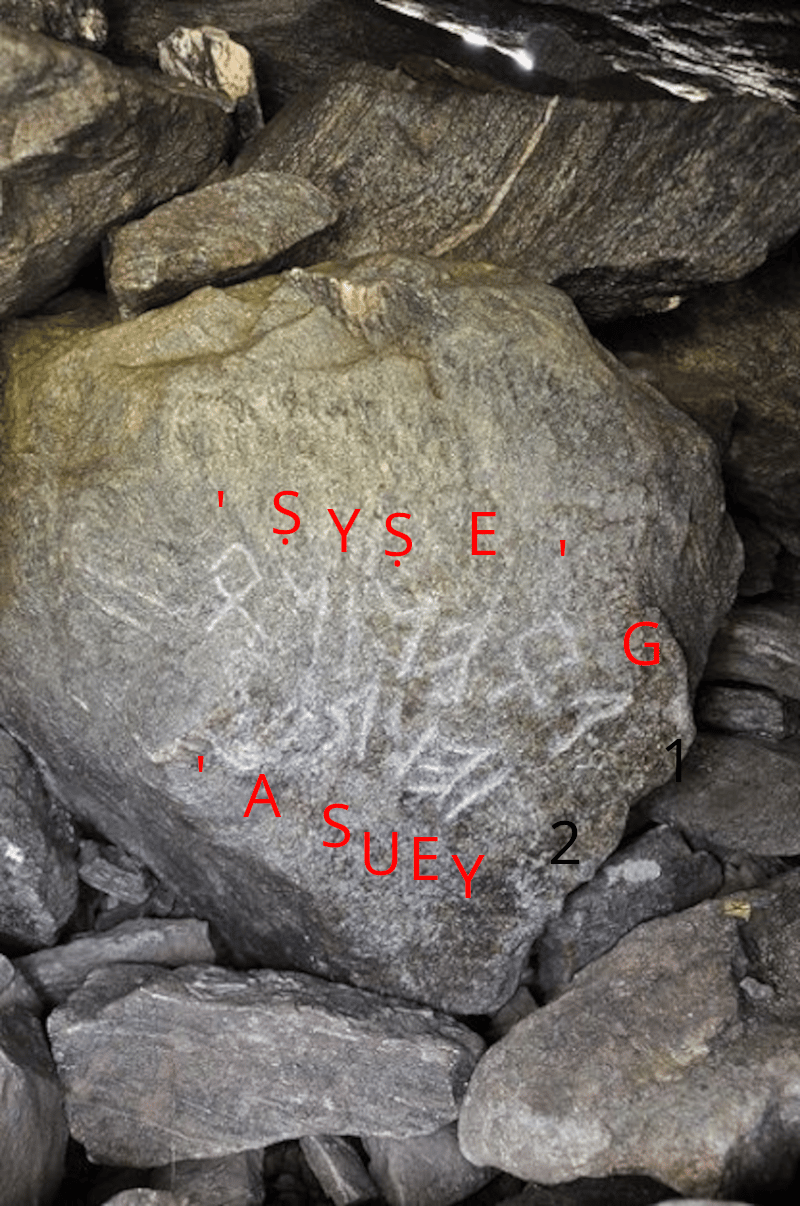
Whenever the Romans of this era saw non-Latin letters they assumed they were Greek letters even though no Roman textural records indicate northern Europeans spoke Greek. The above image shows some Druid Akkadian graffiti from the Alps dating to the Roman empire era of around 300 CE based upon letter styles. It says:
Break-outs (like rain from sky-shell) cannot be shedded by blockages
Is not the curse from Su's (Dark new moon) emotion-powers?
Julius Caesar wrote the following in his history of the Gallic War:
"They are sent there to learn by heart a great number of verses; accordingly some remain in the course of training twenty years. Nor do they regard it lawful to commit these to writing, though in almost all other matters, in their public and private transactions, they use Greek (Graecis) characters." (Julius Caesar, 1893 edition, Book 6, Paragraph 14)
Caesar found Druid Akkadian writing in a captured Helvetii camp:
"In the camps of the Helvetii tablets, made in Greek letters, were found and brought to Caesar. In such tablets were found accounts by name about what number of them had gone forth from home, who were able to bear arms, and likewise separations for the boys, old men, and women." (Julius Caesar, 1893 edition, Book Paragraph 29)
Notice this writing was not claimed to be in Greek, it just had "Greek letters." Tacitus writes skeptically of a similar report not believing it possible that some German group could be literate:
"They (the Germans) even say ..., and that certain monuments and tombs, with Greek inscriptions, still exist on the borders of Germany and Raetia. These statements I have not intention of sustaining by proofs, or refuting: everyone may believe or disbelieve them as he feels inclined." (Tacitus, Germany, paragraph 3).
References
C. Julius Caesar. Caesar's Gallic War. Translator. W. A. McDevitte. Translator. W. S. Bohn. 1st Edition. New York. Harper & Brothers. 1869. Harper's New Classical Library. Online at:https://www.perseus.tufts.edu/hopper/text?doc=Perseus%3Atext%3A1999.02.0001%3Abook%3D6%3Achapter%3D13
Julius Caesar. Caesar's Gallic War: Interlinear Translation (1893 first edition). Worldside Press 1952 edition
The Complete Works of Tacitus, Germany and Its Tribes (1942), translated by Alfred John Church and William Jackson Brodribb. Random House, New York
Photo from https://bsky.app/profile/lexiconleponticum.bsky.social/post/3laqrqwjbak2l Letter assignments by Olmsted.



Druid Priestly Activities
(February 3, 2026) Julius Caesar writes:
"The Druids do not go to war, nor pay tribute together with the rest; they have an exemption from military service and a dispensation in all matters. Induced by such great advantages, many embrace this profession of their own accord, and [many] are sent to it by their parents and relations. "
"They are sent there to learn by heart a great number of verses; accordingly some remain in the course of training twenty years. Nor do they regard it lawful to commit these to writing, though in almost all other matters, in their public and private transactions, they use Greek (Graecis) characters. "
"That practice they seem to me to have adopted for two reasons; because they neither desire their doctrines to be divulged among the mass of the people, nor those who learn, to devote themselves the less to the efforts of memory, relying on writing; since it generally occurs to most men, that, in their dependence on writing, they relax their diligence in learning thoroughly, and their employment of the memory. "
"They wish to inculcate this as one of their leading tenets, that souls (animas) do not become extinct, but pass after death from one body to another, and they think that men by this tenet are in a great degree excited to valor, the fear of death being disregarded. They likewise discuss and impart to the youth many things respecting the stars and their motion, respecting the extent of the world and of our earth, respecting the nature of things, respecting the power and the majesty of the immortal gods." (Julius Caesar, 1893 edition, Book 6, Paragraph 14)
The Gauls/Celts Encourage Good Omens Before Battle
"They say that Hercules, too, once visited them; and when going into battle, they sing of him first of all the heroes. They have also these songs of theirs, by the recital of which ("baritus" they call it), they rouse their courage, while from the note they augur the result of the approaching conflict." (Tacitus, Germany, paragraph 3)
Baritus: This is the Druid Akkadian phrase B.AR.IT meaning "Nourishing the controllers of the omens" where the "controllers" are the divine birds (griffons) which cut and direct the flow of life powers to earth.
References
C. Julius Caesar. Caesar's Gallic War. Translator. W. A. McDevitte. Translator. W. S. Bohn. 1st Edition. New York. Harper & Brothers. 1869. Harper's New Classical Library. Online at:https://www.perseus.tufts.edu/hopper/text?doc=Perseus%3Atext%3A1999.02.0001%3Abook%3D6%3Achapter%3D13
Julius Caesar. Caesar's Gallic War: Interlinear Translation (1893 first edition). Worldside Press 1952 edition
The Complete Works of Tacitus, Germany and Its Tribes (1942), translated by Alfred John Church and William Jackson Brodribb. Random House, New York
Illustration is a Hand-colored engraving of a 19th-century illustration showing Druid priests gathering mistletoe from an oak tree by North Wind Picture Archives at https://www.northwindprints.com/british-history/druids-collecting-sacred-mistletoe-5879132.html?srsltid=AfmBOopTTTbJU4bHGcQRBJht9XmHzFqs64rU2eIhJyKgAmdfkufhDEGc
The Social Classes of Gauls/Celts According to Julius Caesar (Gallic War Book 6, Chapter 13)
(February 3, 2026) Julius Caesar writes:
"Throughout all Gaul there are two orders of those men who are of any rank and dignity: for the commoners are held almost in the condition of slaves, and dare to undertake nothing by itself, and is admitted to no deliberation. The greater part, when they are pressed either by debt, or the large amount of their tributes, or the oppression of the more powerful, give themselves up in vassalage to the nobles, who possess over them the same rights without exception as masters over their slaves.
But of these two orders, one is that of the Druids (Latin Druidum), the other that of the knights. The former are engaged in things sacred (divinus), conduct the public and the private sacrifices, and interpret all matters of religion (religones). To these a large number of the young men resort for the purpose of instruction (disciplinae), and they are in great honor among them. For they determine respecting almost all controversies, public and private; and if any crime has been perpetrated, if murder has been committed, if there be any dispute about an inheritance, if any about boundaries, these same persons decide it; they decree rewards and punishments;
If any one, either in a private or public capacity, has not submitted to their decision, they exclude him from the sacrifices. This among them is the most heavy punishment. Those who have been thus excluded are esteemed in the number of the impious and the criminal: all shun them, and avoid their society and conversation, lest they receive some evil from their contact; nor is justice administered to them when seeking it, nor is any dignity bestowed on them.
Over all these Druids one presides, who possesses supreme authority among them. Upon his death, if any individual among the rest is pre-eminent in dignity, he succeeds; but, if there are many equal, the election is made by the suffrages of the Druids; sometimes they even contend for the presidency with arms. These assemble at a fixed period of the year in a consecrated place in the territories of the Carnutes, which is reckoned the central region of the whole of Gaul.
Hither go all who have disputes assembling from every part, to hear their decrees and determinations. This institution (disciplina) is supposed to have been devised in Britain, and to have been brought over from it into Gaul; and now those who desire to gain a more accurate knowledge of that system generally proceed thither (to Britain) for the purpose of studying it." (Julius Caesar, 1893 edition, Book 6, Paragraph 13)
While Caesar was seeking to know his enemy he was also trying to show that they were barbaric and deserved to be conquered. His mention of Britain as the source of their discipline is likely just setting up the rationale for his own invasion of the island.
References
C. Julius Caesar. Caesar's Gallic War. Translator. W. A. McDevitte. Translator. W. S. Bohn. 1st Edition. New York. Harper & Brothers. 1869. Harper's New Classical Library. Online at:https://www.perseus.tufts.edu/hopper/text?doc=Perseus%3Atext%3A1999.02.0001%3Abook%3D6%3Achapter%3D13
Julius Caesar. Caesar's Gallic War: Interlinear Translation (1893 first edition). Worldside Press 1952 edition
The Complete Works of Tacitus, Germany and Its Tribes (1942), translated by Alfred John Church and William Jackson Brodribb. Random House, New York


The North European Cultural Divisions
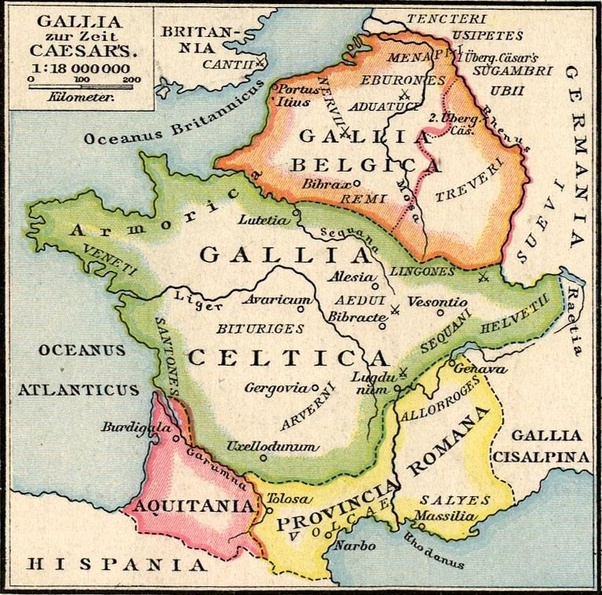
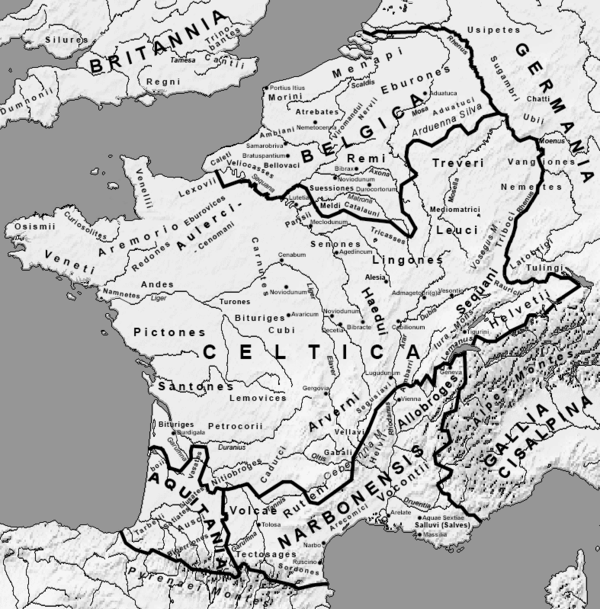
(February 10, 2026) The Celts, Belgics, Aquitanians, and Germans were separate peoples having their own spoken languages, laws, and institutions. Yet all had the same core culture preserved by the Druid priestly class who still wrote in the Druid-Akkadian language of the native Neolithic farmers. These different peoples were the result of the mixing which occurred between the Druid-Akkadian speaking Neolithic farmers and the Indo-European speaking of the steppe people. What unified the Celts as a people were the rivers Sequana and Liger. The Belgic people were united by the Mosa and Scaldis (Schelde) rivers. The Aquitanian people were united by the Garumna river. Julius Caesar writes:
"All Gaul is divided into three parts: One of which the Belgae inhabit; another the Aquitani; the third, who in the language of themselves are called Celtae, in ours, Galli. All these differ between themselves in language, institutions, laws. The river Garumna divides the Gallos (Celts) from the Aquitania, the Marne and Seine from the Belgae."
"The Belgae are the bravest of all of these: because of that they are the farthest distant from the cultivation and humanity of the province, and merchant least often resort to them and import those which appertain to the minds to be effeminate. They are nearest to the Germanis who inhabit beyond the Rhine, with whom they carry-on war continually." (Caesar Gallic War, chapter 1).
Roman historian Tacitus (56-120 CE) says this at the start of his book, "Germany and its Tribes:"
"Germany is separated from the Galli, the Rheti, and Pannonii by the Rivers Rhine and Danube, mountain ranges, or the fear which each feels for the other ....
Druid Akkadian Etymologies for these North European Cultural Divisions
Celtae: According to Caesar, the word "Celt" comes from the Celts themselves. This is a clear indication that this and other words came from the native Druid Akkadian people. Its first classical era attestation is from the Greek writer Herodotus who write it as Keltoi. It is the Druid Akkadian phrase K.EL.T meaning those who "Involve the high-life-powers with astrology-magic."
Aquitania: This is the Druid Akkadian phrase AQ.W.IT.AN meaning those who "Expect restrictions on omens from considerations" where "considerations" are the focused and energized emotions of emotion magic.
Belgae: This is the Druid Akkadian phrase B.EL.G meaning those who "Nourish the high-powers with emotional-energy."
Galli: This is a Latin Indo-European word meaning rooster and cock. It was probably meant to be a derogatory term for the Gauls as those people who like to dress up and strut around showing their importance.
German: This is the Druid Akkadian phrase G.ER.M.AN meaning those who "Energize the divine-harbor's fertility-fluids with considerations" where the "harbor" is the starry night sky full of stars representing boats. "Considerations" are the focused and energized emotions of emotion magic. Tacitus reports that "German" was a newly introduced name given to the first Germanic invaders by the Gauls (Tacitus, paragraph 2). These invading tribes came to be called "Tungrians" which is the Druid Akkadian phrase TW.N.G meaning those who "pasture fate-revelations with energy" which fits within the German label.
Pannonii: This is the Druid Akkadian phrase P.AN.N'N.Y meaning those who "Open considerations with emotions not revealed." Considerations are the focused emotions of emotion magic. These were the people just south of the Danube in the Balkans and were 1 of the 3 main peoples of the Balkans along with the Thracians and Greeks.
Rheti: This is the Druid Akkadian phrase RH.ET meaning those who "anoint the boundary." These were the people who lived in the Alps and "boundary" means the sky shell which separates earth from the divine high powers.
References
Julius Caesar. Caesar's Gallic War: Interlinear Translation (1893 first edition). Worldside Press 1952 edition
The Complete Works of Tacitus, Germany and Its Tribes (1942), translated by Alfred John Church and William Jackson Brodribb. Random House, New York
Photo from: https://about-history.com/the-history-of-gaul-and-its-people
Meanings of West European Tribal Names
(February 5, 2026)
Tribes Existing Within the Celtic Label Which Focus On Different Ways To Use Astrology Magic To Direct Life Powers to Earth.
Armorio: This is the Druid Akkadian phrase AR.M'.RY meaning those who "control the pushing of the shepherd-priests" where the shepherd priests are the specialist priests involved with shifting fate via astrology-magic.
Arverni: This is the Druid Akkadian phrase AR.W.ER.N meaning those who "control the restrictions on the harbor with fate-revelations" where the "harbor" is the starry night sky full of stars representing boats.
Aulerci: This is the Druid Akkadian phrase AW.L.ER.K meaning those who "curse the lack of the harbor's involvement" where involvement is the interaction between the life powers and the magical emotion/motion powers used in astrology-magic.
Haedwi: This is the Druid Akkadian phrase Ḫ.A.ED.W meaning those whom "Hu affects with motivation restrictions" where Hu is the sun and storm god representing the sky and irrigation network.
Helvetii: This is the Druid Akkadian phrase Ḫ.EL.W.ET meaning those whom "Hu elevates restrictions with the boundary" where the boundary is the sky-shell and irrigation-network.
Leuci: This is the Druid Akkadian phrase L.EW.K meaning those who "lack attention for involvement."
Pictones: This is the Druid Akkadian phrase P.IK.T'.N meaning those who "open the irrigation-network with the pasture's revelations" where the "pasture" is the starry night sky and the "irrigation-network" is the imagined network of channels which directs the flow of life powers to earth.
Santones: This is the Druid Akkadian phrase Ṣ.AN.T'.N meaning those who "activate considerations of the pasture's revelations."
Sequani: This is the Druid Akkadian phrase Ṣ.EQ.W.AN meaning those who "activate the functional-replacement of the restrictions with considerations" where "considerations" are the focused emotion of emotion magic.
Trevari: This is the Druid Akkadian phrase TR.EW.AR meaning those who "change the attention of the Controllers" where the controllers are the griffons which edits the connection of the irrigation-network's channels/threads under the control of magic or the crescent moon goddess Ayu.
Veneti: This is the Druid Akkadian phrase W.EN.ET meaning those who "restrict the reassignments of the boundary." where the "boundary" is the sky-shell and irrigation network which directs the flow of life powers to earth.
Tribes existing within the Belgic Label Which Focus On Those Tribes Who Nourish the High-Powers With Emotional-Energy."
These tribes specialize in using emotion magic to affect certain high powers. These tribes are more similar to the Germanic tribes than to the Gaulish/Celtic tribes.
Eburoni: This is the Druid Akkadian phrase EB.W.R'.N meaning those for whom the "sky-shell restricts shepherd-priests"
Menapi: This is the Druid Akkadian phrase M.EN.AP meaning those for whom "fertility-fluids are reassigned" where fertility-fluids are the life powers flowing down to earth which are directed and assigned to their proper place with the divine irrigation network.
Remi: This is the Druid Akkadian phrase R.EM meaning those who are "griffon supervisers"
References
Julius Caesar. Caesar's Gallic War: Interlinear Translation (1893 first edition). Worldside Press 1952 edition
Did The Celts and Druids Sacrifice Humans?
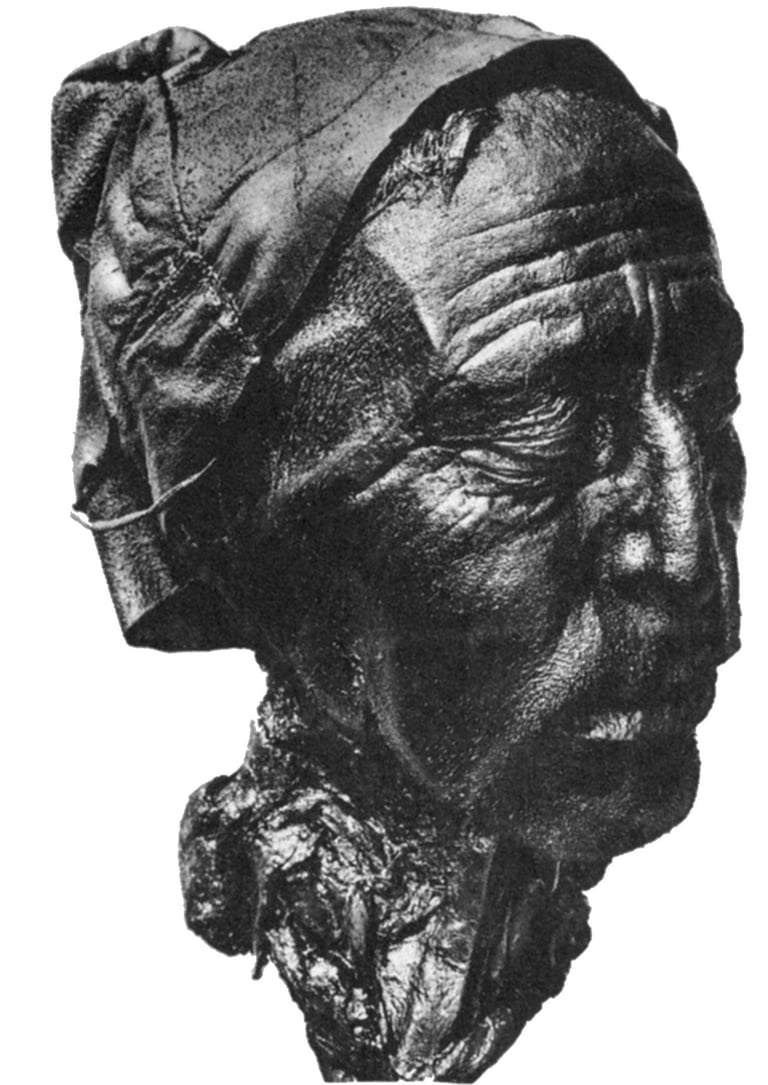
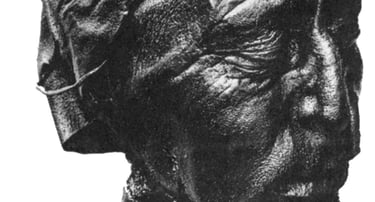
(February 3, 2026) Above is the image of Tollund man bog body found in Denmark having a rope around its neck from Wikimedia commons at: https://commons.wikimedia.org/wiki/File:Moorleiche_von_Tollund_J%C3%BCtland_um_100_n_Chr_hingerichtet.jpg

The following entry in Caesar's book is clearly an attempt to demonize the Gauls and their Druid priestly class and not much of a statement of facts. Notice how Caesar qualifies his sacrifice statement by also saying that "or vow to sacrifice them."
Caesar's Gallic War Book 6, Chapter 16:
"The nation of all the Gauls is extremely devoted to superstitious rites; and on that account they who are troubled with unusually severe diseases, and they who are engaged in battles and dangers, either sacrifice men as victims, or vow that they will sacrifice them, and employ the Druids as the performers of those sacrifices; because they think that unless the life of a man be offered for the life of a man, the mind of the immortal gods can not be rendered propitious, and they have sacrifices of that kind ordained for national purposes. Others have figures of vast size, the limbs of which formed of osiers they fill with living men, which being set on fire, the men perish enveloped in the flames. They consider that the oblation of such as have been taken in theft, or in robbery, or any other offense, is more acceptable to the immortal gods; but when a supply of that class is wanting, they have recourse to the oblation of even the innocent."
Comment
Bog bodies seem to be criminals or other undesirables because a stagnant bog was a smelly, wet, undesirable place. They were not places or reverence for devotional sacrifices. The Tollund man was a criminal because he was hanged between 405–384 BCE near Silkeborg on the Jutland peninsula in Denmark. The Tollund Man lay 60 m (200 ft) away from firm ground, buried under 2.3 m (7 ft 7 in) of peat, his body arranged in a fetal position. He wore a pointed skin cap of sheepskin and wool, fastened under his chin by a hide thong, and a smooth hide belt around his waist. Additionally, a noose made of plaited animal hide was drawn tight around his neck and trailed down his back. Other than these, the body was naked (Cloth, as opposed to animal hides, decomposed in the bog). His hair was cropped so short as to be almost entirely hidden by his cap. There was short stubble (1 mm [0.039 in] in length) on his chin and upper lip, suggesting that he was usually clean-shaven, but had not shaved on the day of his death. The Tollund Man was approximately 40 years old. The Tollund Man's last meal consisted of a porridge with barley, flax, wild weed seeds, and fish.
Modern bogs are difficult to separate from ancient lakes which later became bogs as they silted up. Unlike bogs, lakes and streams are the places which received religious objects of devotion (a sacrifice).
The number of bog bodies in existence is disputed. A recent study finds the number of archaeologically documented bog bodies to be close to 122 although the number reported from all sources is just over 1,000. The oldest bog body that has been identified is the Koelbjerg Man from Denmark, which has been dated to 8000 BC during the Mesolithic period. The greatest number of bog bodies date to after the Indo-European invasion with its greater population density. Most of these were male aged 16 to 20.
Yet human sacrifices by the Druid priestly class cannot be ruled out, especially in a war setting. The Druid culture's contact with the Greek and Roman empires seems to have led to a personification of their deities in some instances making them human-like lords instead of clusters of powers with all the normal human failings. Human lords needed to be bribed (sacrificed to), praised, and sucked-up to in general get something from them. Human sacrifices were the ultimate bribe. But even if this was the case, these sacrifices would not be involved with bogs which were not sacred places. Additionally, sacrifices of any kind are not even mentioned in their runic texts indicating that Druid religion remained spiritual and magical and not lordified and dogmatic.
The dogmatic religions eventually got around their human sacrifice problem by claiming their god or gods really just wanted devotion. Yet this led to its own problem of killing those others who are not show proper devotion. Christians ended up burning lots of heretics and witches at the stake while Jews tended to stone their heretics.
References
Tollund Man at: https://en.wikipedia.org/wiki/Tollund_Man
Bog Bodies at: https://en.wikipedia.org/wiki/Bog_body
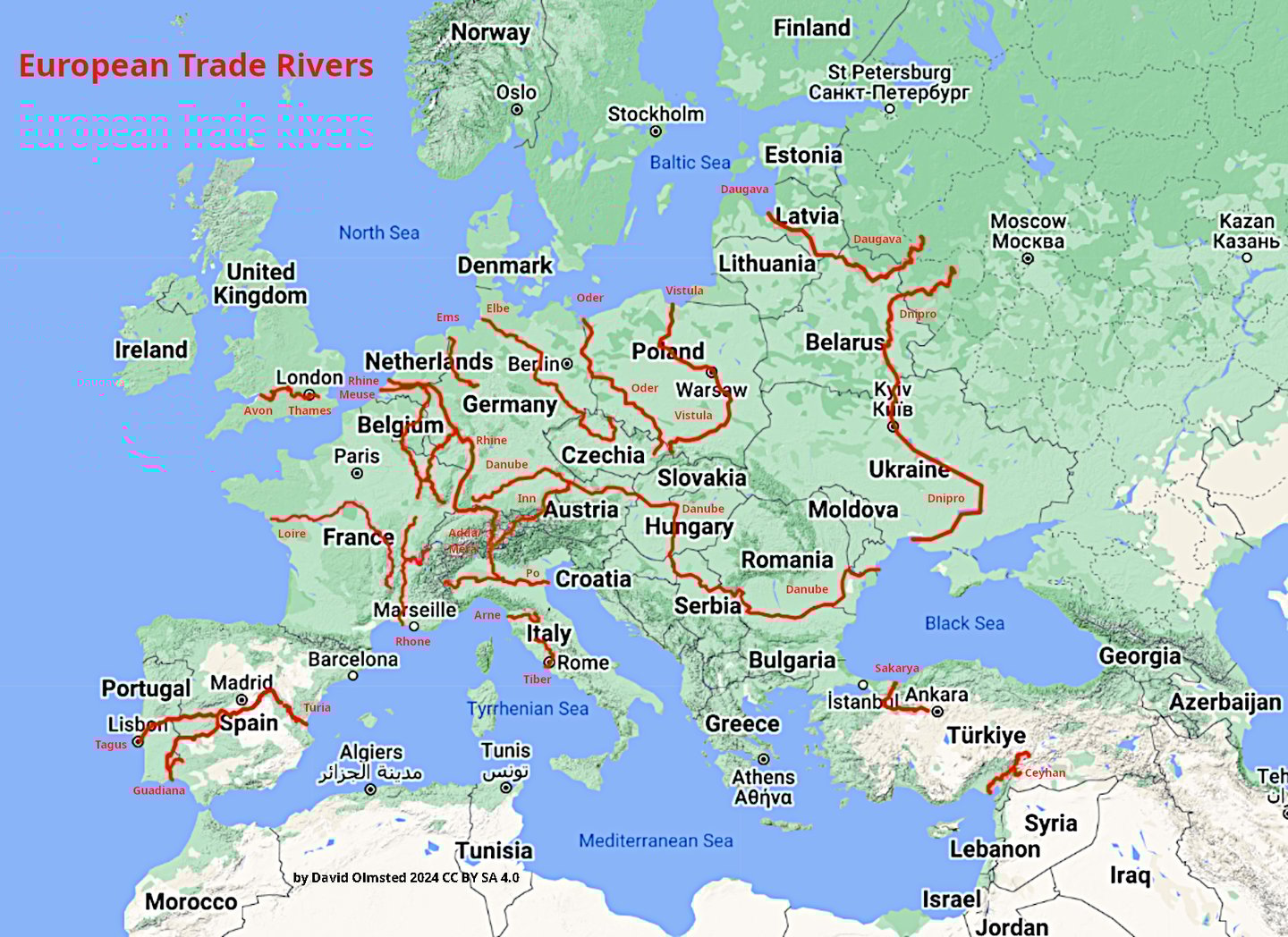
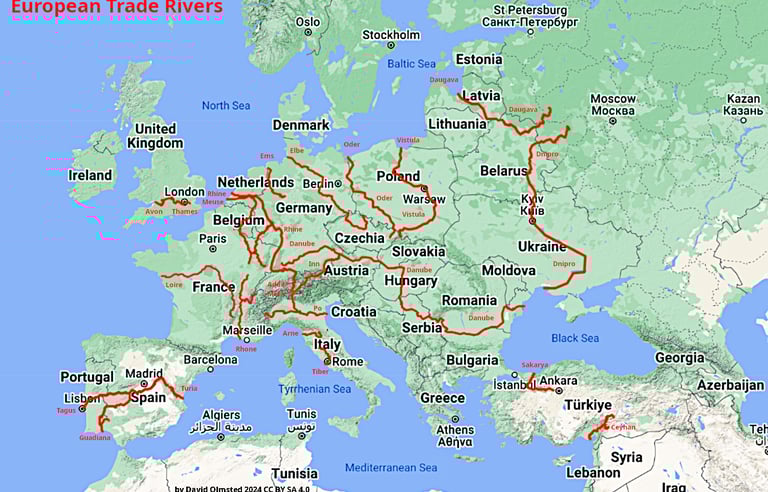
Most European River Names Are Druid Akkadian Phrases Describing Their Powers
(March 2, 2026) The meaning of the river names in Druid Akkadian are:
Avon: This is the Druid Akkadian phrase A.W'.N meaning the river which "affects the fate-curse revelations."
Arne: This is the Druid Akkadian phrase AR.N meaning the river "controlling the fate-revelations."
Danube: This is the Druid Akkadian phrase D.AN.UB meaning the river which "manifests considerations of the planets."
Daugava: This is the Druid Akkadian phrase D.AW.G.AW.A meaning the river which "manifests emotion-power's energy from manifesting things." This river enhances emotion magic from the props used in rituals.
Dnipro: This is the Druid Akkadian phrase DN.IP.R' meaning river which "judges the freedom of the shepherd-priests." The shepherd priests do astrology magic which consists of cursing something to make it more attractive for the fate powers from the divine realm. They were always controversial.
Elba: This is the Druid Akkadian phrase EL.B.A meaning the river where "high-powers nourish things."
Ems: This is the Druid Akkadian phrase EM.Ṣ meaning the river which "supervises activity" where "activity" is the motion class of spiritual powers.
Garumna: This is the Druid Akkadian phrase G.AR.UM.N meaning the river which "energizes the Controller's storm-empowering fate-revelations" where the Controllers are the owls which foreshadow events.
Marne: This is the Druid Akkadian phrase M.AR.N meaning the river in which the "fertility-fluids control fate-revelations" where fertility-fluids are life powers from the divine realm flowing to earth.
Liger: This is the Druid Akkadian phrase L.IG meaning river which "lacks the eyes-of-fate" where the eyes of fate are the heavenly bodies responsible for the astrological fate-defining source of motion/change power on earth (the other is emotions).
Mosa (French Meuse): This is the Druid Akkadian phrase M'.S meaning the river which "pushes Su" where Su is the dark new moon god associated with fate-shifting.
Rhine: This is the Druid Akkadian phrase RḪ.IN meaning the river which "annoints the Moon-eye" where the Moon-eye is the dark new moon and eye pupil god Su.
Scaldis: This is from Old English (Indo-European) sċeald meaning "shallow."
Sequana (later Seine): This is the Druid Akkadian phrase S.EQ.AN meaning river where "Su is functionally-replaced by considerations" where considerations are the focused emotions of emotion magic. This has essentially the same meaning as the later word applied to this river which was Seine which is the Druid Akkadian phrase Ṣ.E.IN meaning the river where "activity disables the Moon-Eye (Su)" where "activity" can be any motion power, either sourced from emotions or sourced from the heavenly bodies.
Thames: This is the Druid Akkadian phrase Ṭ.AM.ES meaning river where "Thu affects the fertility-fluid's shedding" where fertility-fluid are the life powers flowing down (being shed) to earth.
Tiber: This is the Druid Akkadian phrase T.IB.ER meaning river where "astrology-magic make enemies of the harbor powers" where "harbor" is a name for the sky-shell which gathers together all the high powers prior to shipping them to specific regions on the earth. Astrology-magic seeks to shift fate.
Vistula: This is the Druid Akkadian phrase UY.S.TW.L.A meaning river which "curses Su's pasture for lacking things" where Su is the dark new moon associated with shifting fate and the pasture is the night sky full of stars.
References
Photo from Wikimedia Commons at: https://commons.wikimedia.org/wiki/File:Sequana_Statue_-_Gaulish_Goddess_of_the_Seine.jpg


The Druid Priest Types and Reincarnation (Strabo, book 4, Chapter 4, Section 4)
Stabo (63 BCE – 24 CE) was the leading geographer of the era and his information is independent from that found in the writings of Julius Caesar. His statue seen above is located in his hometown of modern-day Amasya, Turkiye. He travelled widely including journeys to Egypt, Kush, Asia Minor, Tuscany in Italy, and as far south as Ethiopia. Travel throughout the newly formed Roman empire was popular during this era. He moved to Rome in 44 BCE, and stayed there, studying and writing, until at least 31 BCE. In 29 BCE on his way to Corinth (where Augustus was at the time), he visited the island of Gyaros in the Aegean Sea. Around 25 BC, he sailed up the Nile until he reached Philae, after which point there is little record of his travels. He writes:
"Amongst [the Gauls] there are generally three divisions of' men especially reverenced, the Bards, the Vates, and the Druids. The Bards composed and chanted hymns; the Vates occupied themselves with the sacrifices and the study of nature; while the Druids joined to the study of nature that of moral philosophy. The belief in the justice [of the Druids] is so great that the decision both of public and private disputes is referred to them; and they have before now, by their decision, prevented armies from engaging when drawn up in battle-array against each other. All cases of murder are particularly referred to them."
"...... When there is plenty of these they imagine there will likewise be a plentiful harvest. Both these and the others assert that the soul is indestructible, and likewise the world, but that sometimes fire and sometimes water have prevailed in making great changes."
Likely Origin of Words "Druid" and "Bard" as Akkadian Phrases
Bard: This is the Druid Akkadian phrase B.RD meaning those who "nourish the drivers" in which the word "drivers" represent the emotional powers behind motion and change (for example, driving a herd of sheep). They were the ones which helped push the life powers (fertility fluids) through their channels to earth. This class of priests did emotion magic. The word "Bard" comes to English via Old English bardos, Greek bardos and Latin bardus. Later "Bard" came to mean those who wielded the powers of song and story.
Vates: This is the Druid Akkadian words UTû, WaTu meaning "Weaver" which is a priest type which seeks to control the weaving of the divine life channels by the crescent moon goddess Ayu in order to properly direct the life powers to earth.
Druid: This is the Druid Akkadian phrase D.RW.ID meaning those who "manifest the shepherding of the channels." This priestly class integrates the life channel weaving of the Vates and the life power driving of the Bards to manifest life on earth.
References
The Geography of Strabo. Literally translated, with notes, in three volumes. London. George Bell & Sons. 1903. Online at: https://www.perseus.tufts.edu/hopper/text?doc=Perseus%3Atext%3A1999.01.0239%3Abook%3D4%3Achapter%3D4%3Asection%3D4
https://en.wikipedia.org/wiki/Strabo
Photo from Wikimedia Commons: Online at: https://commons.wikimedia.org/wiki/File:Statue_of_Strabo_in_Amasia.jpg


Pliny on Mistletoe (Book 16, Chapter 95)
(February 12, 2026) Pliny (24 CE - 79 CE) was a Roman administrator and author who wrote a book called Natural History. Pliny the Elder did not marry and had no children. Pliny the Elder was appointed commander of the Roman fleet stationed in southern Italy by emperor Vespasian and was living in coastal Misenum with his sister and adopted nephew, Pliny the Younger when Mount Vesuvius erupted. Pliny the Elder died, apparently from poisonous gasses, from that eruption when he went to investigate.
"Upon this occasion we must not omit to mention the admiration that is lavished upon this plant by the Gauls. The Druids—for that is the name they give to their magicians (magos)— held nothing more sacred than the mistletoe and the tree that bears it, supposing always that tree to be the robur. Of itself the robur is selected by them to form whole groves, and they perform none of their religious rites without employing branches of it; so much so, that it is very probable that the priests themselves may have received their name from the Greek name for that tree. In fact, it is the notion with them that everything that grows on it has been sent immediately from heaven, and that the mistletoe upon it is a proof that the tree has been selected by God himself as an object of his especial favour.
The mistletoe, however, is but rarely found upon the robur; and when found, is gathered with rites replete with religious awe. This is done more particularly on the fifth day of the moon, the day which is the beginning of their months and years, as also of their ages, which, with them, are but thirty years. This day they select because the moon, though not yet in the middle of her course, has already considerable power and influence; and they call her by a name which signifies, in their language, the all-healing. Having made all due preparation for the sacrifice and a banquet beneath the trees, they bring thither two white bulls, the horns of which are bound then for the first time. Clad in a white robe the priest ascends the tree, and cuts the mistletoe with a golden sickle, which is received by others in a white cloak. They then immolate the victims (the mistletoe), offering up their prayers that God (the divine realm) will render this gift of his propitious to those to whom he has so granted it. It is the belief with them that the mistletoe, taken in drink, will impart fecundity to all animals that are barren, and that it is an antidote for all poisons. Such are the religious feelings which we find entertained towards trifling objects among nearly all nations. "
Comment
Mistletoe is a parasitic plant which attaches to their host tree using a special type of root system through which they extract water and nutrients. It is typically found on apple, lime (linden), poplar, and hawthorn trees and only occasionally on oak. It remains green throughout winter. Its white berry juice would have represented the life guiding powers of the Goddess. This goddess was a combination of the powers from the 3 Druid goddesses who were: Kate/Hekate representing the powers of reincarnation and the underworld, Selu/Selene representing the celestial light powers of fate, and the crescent moon Ayu representing the powers which edit the threads/channels of the divine irrigation network. The visible moon in all its phases along with the light from other heavenly bodies would have been represented by Selene. Kate/Hekate seems to have been represented the dark portion of the moon at this time leaving the male eye pupil god Su to by represented by the dark new moon only. This means that when Su, also called the "Moon Eye" in the runic texts, was manifested the Goddess powers were hidden.
Mistletoe: This is the Druid Akkadian phrase M.IS.TL.E.T' meaning "fertility-fluids from the Goddess's mounds which disable astrology-magic."
Robur: This is the Druid Akkadian phrase R'.B.UR meaning the "Shepherd-priest's nourisher for the dawn." The shepherd-priest (man or woman) is the Druid priestly class which shifts fate with astrology-magic. Dawn is the witching hour when such rituals were done because the fate revealed during the night was fixed by the light of the rising sun. In Latin this word means any hard wood or even hard body with the iconic example of hardwood being oak.
Greek has no word equivalent to "robur." The Greek word for 'Oak is δρῦς (DTUṢ) meaning "oak." Neither does any Greek word relating to hardness have anything close to "robur." Roman authors of this period had a habit of assuming all writing found in the north was Greek when in fact it was Druid-Akkadian.
References
Pliny the Elder, The Natural History; Translated by John Bostock https://www.perseus.tufts.edu/hopper/text?doc=Perseus%3Atext%3A1999.02.0137%3Abook%3D16%3Achapter%3D95
Photo shows mistletoe growing in an apple tree and is from From: https://www.britannica.com/plant/Santalales


Roman Attack on Anglesey As Described By Roman Historian Tacitus (98 CE)
(February 13, 2026) Anglesey is an island off the northwest coast of Wales and it was one of the last holdouts against Roman control during the revolt by queen Boudica of the Iceni tribe 60–61 CE)
Ynys Môn became the island's Welsh name. The Romans called it "Mona." It was likewise known to the Saxons as Monez. Poetic names include the Old Welsh Ynys Dywyll (Shady or Dark Isle), Ynys y Cedairn (Isle of the Brave), Môn Mam Cymru ("Môn, Mother of Wales"), Y fêl Ynys (Honey Isle), and Ynys Gybi (Holy Island). The English name for Anglesey may be derived from the Old Norse Ǫngullsey (Hook Island). https://en.wikipedia.org/wiki/Anglesey
Mona: This is the Druid-Akkadian phrase M'.N meaning place which "pushes revelations."
Ynys: This is the Druid-Akkadian phrase IN.IS meaning place of the "Moon-Eye's Woman" where the Moon-eye is the dark new moon and eye-pupil god Su. His woman would be the celestial light goddess Selu/Selene who defines fate.
Ynys Mon: This is the Druid-Akkadian phrase IN.IS M'.N meaning place where the "Moon-Eye's Woman pushes fate-revelations."
Ynys Dywyll: This is the Druid-Akkadian phrase IN.IS D.IW.IL meaning place where "Moon-Eye's Woman manifests the redirections of the high-powers."
Ynys y Cedairn: This is the Druid-Akkadian phrase IN.IS Y K.ED.AY.R.N meaning place where "Moon-Eye's Woman is not involved with motivating Ayu's griffon revelations" where griffons are the editors of the divine irrigation network under the control of Ayu. This network directs the life powers to earth.
Ynys Gybi: This is the Druid-Akkadian phrase IN.IS G.YB meaning place where "Moon-Eye's Woman energized the enemy"
Yfêl Ynys: This is the Druid-Akkadian phrase IP.EL IN.IS meaning place which "frees-up the high-powers of the Moon-Eye's Woman."
Mam Cymru: This is the Druid-Akkadian phrase M.AM K.IM.R meaning place where "fertility-fluids of the Reed-boat are involved with emotionally-triggering the griffons." The Reed-boat is the crescent moon goddess Ayu who, along with magic, controls the griffons which edit the connections of the divine irrigation network which directs life powers (fertility-fluids) to earth.
Tacitus writes this about the Roman attack:
"Now, however, Britain was in the hands of Suetonius Paulinus, who in military knowledge and in popular favour, which allows no one to be without a rival, vied with Corbulo, and aspired to equal the glory of the recovery of Armenia by the subjugation of Rome's enemies. He therefore prepared to attack the island of Mona which had a powerful population and was a refuge for fugitives. He built flat-bottomed vessels to cope with the shallows, and uncertain depths of the sea. Thus the infantry crossed, while the cavalry followed by fording, or, where the water was deep, swam by the side of their horses."
"On the shore stood the opposing army with its dense array of armed warriors, while between the ranks dashed women, in black attire like the Furies, with hair disheveled, waving brands. All around, the Druids, lifting up their hands to heaven, and pouring forth dreadful imprecations, scared our soldiers by the unfamiliar sight, so that, as if their limbs were paralyzed, they stood motionless, and exposed to wounds. Then urged by their general's appeals and mutual encouragements not to quail before a troop of frenzied women, they bore the standards onwards, smote down all resistance, and wrapped the foe in the flames of his own brands. A force was next set over the conquered, and their groves, devoted to inhuman superstitions, were destroyed. They deemed it indeed a duty to cover their altars with the blood of captives and to consult their deities through human entrails."
Comment
The above image shows one of the first maps of the island made by John Speed, the son of a tailor and a tailor himself much of his life. He produced a history and atlas of Britain in the early 1600's under the patronage of Queen Elizabeth I. His maps were notable not only for their accuracy but also for the town plans included on many of the county maps. From https://www.anglesey-history.co.uk/maps/
References
Complete Works of Tacitus. Tacitus. Alfred John Church. William Jackson Brodribb. Sara Bryant. edited for Perseus. New York: Random House, Inc. Random House, Inc. reprinted 1942 https://www.perseus.tufts.edu/hopper/text?doc=Perseus%3Atext%3A1999.02.0078%3Abook%3D14%3Achapter%3D30
Germanic Druids Described By Roman Historian Tacitus (98 CE)
(February 14, 2026) Notice how the Germans did not yet personify their deities by making statues of them. Tacitus writes:
"They choose their kings by birth, their generals for merit. These kings have not unlimited or arbitrary power, and the generals do more by example than by authority. If they are energetic, if they are conspicuous, if they fight in the front, they lead because they are admired. But to reprimand, to imprison, even to flog, is permitted to the priests alone, and that not as a punishment, or at the general's bidding, but, as it were, by the mandate of the god whom they believe to inspire the warrior. "
German Deities and Spiritual Practices
"In their ancient songs, their only way of remembering or recording the past, they celebrate an earth-born god Tuisco, and his son Mannus, as the origin of their race, as their founders. To Mannus they assign three sons, from whose names, they say, the coast tribes are called Ingaevones: those of the interior Herminones, all the rest, Istaevones" (Paragraph 2)
Tuisco: This is the Druid-Akkadian phrase T.UY.S.K' meaning those powers of "astrology-magic cursed by Su's prodding"
Mannus: This is the Druid-Akkadian phrase M.AN.N.US meaning those powers of "fertility-fluids considered by fate-revelations from the Originator (Su)"
Vones: This is the Druid-Akkadian phrase U'.N.EṢ meaning "fate-curses from fate-revelation's shedding"
Ingaevones: This is the Druid-Akkadian phrase IN.G.E.U'.N.EṢ meaning the powers of the "Moon-eye's energy disabling the fate-curses from fate-revelation's shedding."
Herminones: This is the Druid-Akkadian phrase Ḫ.ER.M.Y.N'.N.EṢ meaning the powers of "Hu's harbor's fertility-fluids negated by emotional-effects revealed by shedding.
Istaevones: This is the Druid-Akkadian phrase IS.T.E.U'.N.EṢ meaning the powers of the "Goddesses astrology-magic disabling the fate-curses from fate-revelation's shedding"
So according to Tacitus the Germans thought they were vessels of astrology-magic (emotion generators) which had been cursed by the dark new moon god Su (Tuisco) mixed in with the life powers (fertility-fluids) acceptable to the god Su (Mannus).
Tacitus continues:
"Mercury is the deity whom they chiefly worship, and on certain days they deem it right to sacrifice to him even with human victims. Hercules and Mars they appease with more lawful offerings. Some of the Suevi also sacrifice to Isis. Of the occasion and origin of this foreign rite I have discovered nothing, but that the image, which is fashioned like a light galley, indicates an imported worship. The Germans, however, do not consider it consistent with the grandeur of celestial beings to confine the gods within walls, or to liken them to the form of any human countenance. They consecrate woods and groves, and they apply the names of deities to the abstraction which they see only in spiritual worship. ..."
"Augury and divination by lot no people practice more diligently. The use of the lots is simple. A little bough is lopped off a fruit-bearing tree, and cut into small pieces; these are distinguished by certain marks, and thrown carelessly and at random over a white garment. In public questions the priest of the particular state, in private the father of the family, invokes the gods, and, with his eyes towards heaven, takes up each piece three times, and finds in them a meaning according to the mark previously impressed on them. If they prove unfavourable, there is no further consultation that day about the matter; if they sanction it, the confirmation of augury is still required. For they are also familiar with the practice of consulting the notes and the flight of birds. It is peculiar to this people to seek omens and monitions from horses. Kept at the public expense, in these same woods and groves, are white horses, pure from the taint of earthly labour; these are yoked to a sacred car, and accompanied by the priest and the king, or chief of the tribe, who note their neighings and snortings. No species of augury is more trusted, not only by the people and by the nobility, but also by the priests, who regard themselves as the ministers of the gods, and the horses as acquainted with their will."
"About minor matters the chiefs deliberate, about the more important the whole tribe. Yet even when the final decision rests with the people, the affair is always thoroughly discussed by the chiefs. They assemble, except in the case of a sudden emergency, on certain fixed days, either at new or at full moon; for this they consider the most auspicious season for the transaction of business. Instead of reckoning by days as we do, they reckon by nights, and in this manner fix both their ordinary and their legal appointments...."
German Tribal Names
Angrivaru: This is the Druid-Akkadian phrase AN.G.R.IW.AR meaning those whose "considerations energize the griffon's redirecting control." The griffons are also known as "controllers" because they control the flow of fertility-fluids (life powers) through the divine irrigation network under the direction of either magic or the direction of the crescent moon goddess Ayu. This tribe uses emotion magic to energize the griffons. "Considerations" are the focused emotions of emotion magic.
Busacteri: This is the Druid-Akkadian phrase B.US.AK.T.ER meaning those who "nourish the traditional-behavior of the fate owl's astrology-magic harbor" where the harbor for astrology-magic is the night sky with its moving heavenly bodies (boats).
Chali: This is the Druid-Akkadian phrase Š.AL meaning those who "equalize Alu's powers" where Alu is the Druid life power source god.
Chalusus: This is the Druid-Akkadian phrase Š.AL.US meaning those who "equalize Alu's traditional-methods" where Alu is the god who is the source of all life powers.
Charudes: This is the Druid-Akkadian phrase Š.AR.UD meaning those who "equalize the control of crafting" where "crafting" is the process of doing magical rituals involving the life powers as opposed to the emotional-triggering done by rituals involving the motion powers.
Chauci: This is the Druid-Akkadian phrase Š.AW.K meaning those who "equalize emotion-power's involvements." The involvement here is the interactions between the life powers and the motion/emotion powers. Life powers cause growth while motion powers cause movement.
Cimbri: This is the Druid-Akkadian phrase K.IM.BR meaning those who "involve emotional-triggering with divination."
Cobandi: This is the Druid-Akkadian phrase K'.B.AN.D meaning those who "prod the nourishing of considerations for life-manifestations" where "considerations" are the focused emotions of emotion magic.
Farodini: This is the Druid-Akkadian phrase P.A.R'.D.IN meaning those whose "openings affect the shepherd-priests manifestations of the Moon-Eye" where the Moon-eye is the dark new moon and eye pupil god Su who is associated with astrology-magic. Shepherd-priests are his priests who do the astrology-magic.
Frisii: This is the Druid-Akkadian phrase PR.IS meaning those who "emotionally-coerce the Woman" where the "Woman" is most like the crescent moon goddess Ayu who directs the flow of the life powers down to earth.
Fundusii: This is the Druid-Akkadian phrase P.UN.D.US meaning those who "open resistance to manifesting traditional-methods."
Ruticlei: This is the Druid-Akkadian phrase RW.T.IK meaning those who "shepherd astrology-magic's irrigation."
Saxones: This is the Druid-Akkadian phrase S.A.Ṣ'.N meaning those whose "Su effects can block fate-revelations." Su is the dark new moon and eye pupil god associated with astrology magic which shifts fate. This tribe apparently thinks its astrology magic can block fate.
Sidini: This is the Druid-Akkadian phrase S.ID.IN meaning those whose "Su will channel the Moon-eye powers." Su is the god of the dark new moon and they eye-pupil powers. Normally those powers have to be channeled by other powers or by motion magic to arrive at their proper place on earth. This tribe apparently does not believe in those intermediate powers.
Signulones: This is the Druid-Akkadian phrase S.IG.NW.L'.N meaning those whose "Su fates can abandon the fate-plan's revelations." This is essentially just another name for the "Saxones." The two words are close together on the map.
Sudini: This is the Druid-Akkadian phrase S.UD.IN meaning those who "activate the crafting of the Moon-eye" where the Moon-eye is the Druid dark new moon and eye-pupil god Su who is associated with fate shifting.
Suebus: This is the Druid-Akkadian phrase S.W.EB meaning those whose "Su restricts the sky-shell-powers." The sky shell powers are life powers where Su in a motion power.
Teutonovari: This is the Druid-Akkadian phrase T.EW.T'.N'.W.AR meaning those whose "astrology-magic can shift-attention of the pasture's emotion-affects restricting the Controllers (griffons)." The pasture is another name for the night sky full of stars (sheep). Moving heavenly bodies, like inner emotions, were thought to be sources of motion on earth.
Viadua: This is the Druid-Akkadian phrase UY.AD.W meaning those who "curse the instigator's restrictions" where the instigators are either emotion magic or the astrological powers of fate which push the life powers to earth through the divine irrigation network.
Reference
Complete Works of Tacitus. Tacitus. Alfred John Church. William Jackson Brodribb. Lisa Cerrato. edited for Perseus. New York. : Random House, Inc. Random House, Inc. reprinted 1942. . Online at Perseus Classical library at: https://www.perseus.tufts.edu/hopper/text?doc=Perseus%3Atext%3A1999.02.0083%3Achapter%3D9
Map of Germany as described in Ptolemy’s X’s chapter and published in Gustav Droysen (1886) Droysens Historischer Handatlas. Online at Wikimedia Commons at: https://commons.wikimedia.org/wiki/File:Germania_Magna_nach_Ptolemaeus.jpg. Claudius Ptolemy (c. 100–170s CE) was a Greco-Roman mathematician, astronomer, and geographer who lived in Alexandria, Egypt.

References
Germaniae veteris typus (Old Germany) edited by Willem and Joan Blaeu, 1645, based on information from Tacitus and Pliny
https://commons.wikimedia.org/wiki/File:Blaeu_1645_-_Germaniae_veteris_typus.jpg

References


© 2022-2026. By David D. Olmsted. All pages licensed under a Creative Commons Attribution-NonCommercial-ShareAlike 4.0 International Copyright. https://creativecommons.org/licenses/by-nc-sa/4.0/