Unveiling Europe's Druid Legacy
Discover the ancient rune texts and artifacts that tell the story of the European wide Druid civilization.
By David D. Olmsted
More Translations at: https://www.druidwisdom.org/
Compare with modern magical (Pagan) practices at: https://www.magicpath.info/
About Europe's Suppressed Druid Past
Our collection brings to light hundreds of runic text translations, consistently translated for the first time ever, which paint a vivid picture of the ancient Druid civilization. These texts on stone and fired clay range in date from the 1800 BCE Minoan texts to the 1000 CE Scandinavian texts. All rune styles and later letter styles (like our alphabet) derive from the Druid culture's Minoan Phaistos disk and Minoan Linear A texts.
Amazingly, these texts, which span a large distance in time and space, show a common culture. Almost all were written by some educated priestly class about spiritual topics. This class continued writing in their inherited language despite the spoken language changing around them. Their language was essentially the Latin of the Pagan lands. The only priestly class we know about which did this were the Druids as described in a few Roman and Greek texts. This is why the culture which is revealed in the texts is named for them.
Runic Text Translations
Druid Culture Began With The Neolithic Farmers
Each artifact and inscription reveals stories of spiritual practices and social structures of the Druid people who, genetic studies show, migrated out of Northern Mesopotamia (Gobleki Tepe area) and into Europe starting around 8000 BCE. Their civilization was suppressed first by the Greek and Roman empires, and finally by Christianity. Druid culture existed the longest at the northern margins of the Roman empire.
Druid culture turns out to be very magical. These are the "Old Ways" of witchcraft.
Druid Artifacts Of Europe
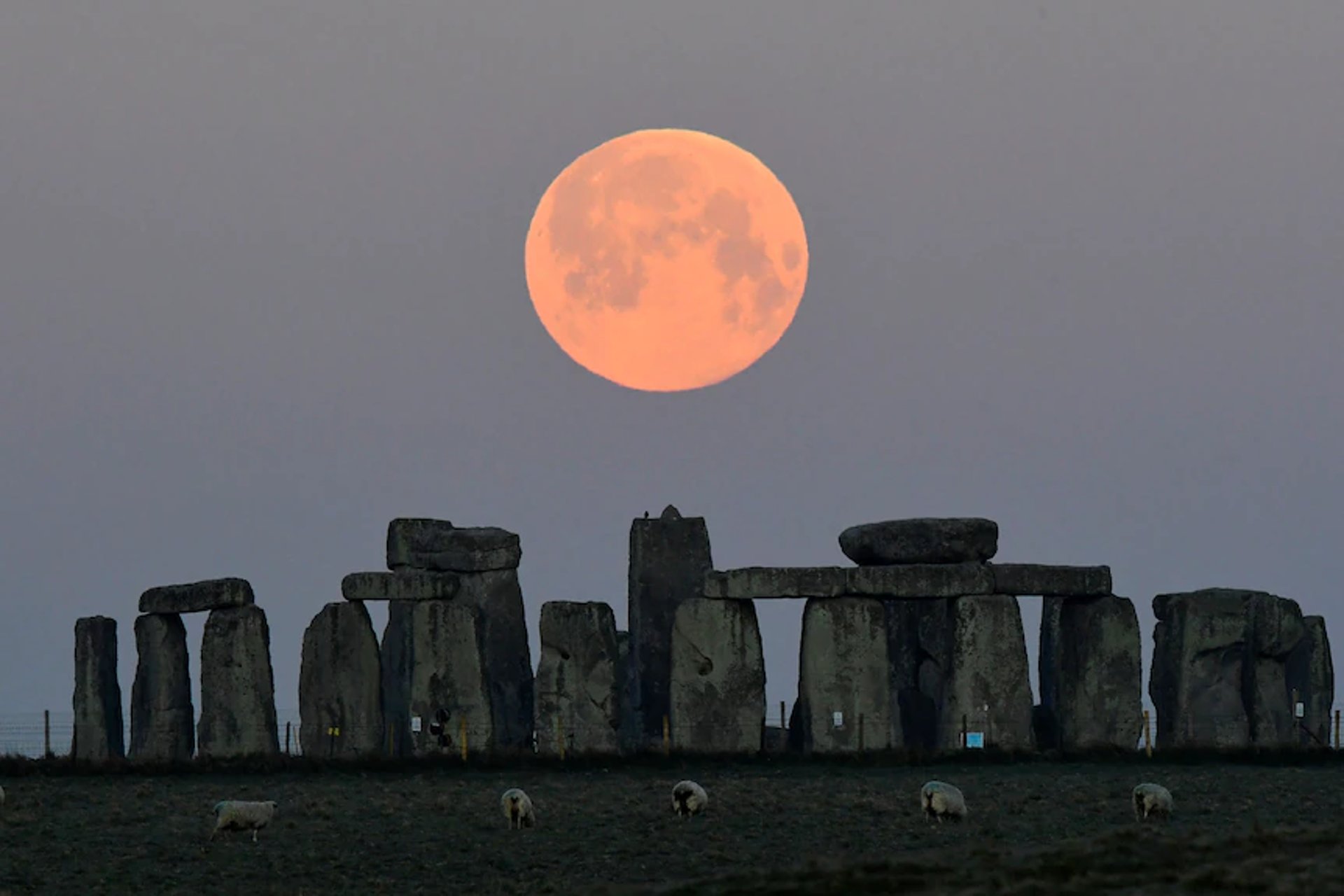
Besides the megaliths like Stonehenge, many other smaller artifacts and art are found throughout Europe which reflect the common culture described in the rune texts. "Culture" is a misused word in history and it is different from the material traditions discovered by archaeology which may or may not correlate with culture. Culture is only revealed by texts.
© 2022-2026. By David D. Olmsted. All pages licensed under a Creative Commons Attribution-NonCommercial-ShareAlike 4.0 International Copyright. https://creativecommons.org/licenses/by-nc-sa/4.0/